
Introduction
Implementing CRM software is one of the most important steps a business can take to improve customer management. However, many companies fail because they do not plan the implementation process properly.
This guide will explain how businesses can successfully implement CRM software and maximize its benefits.
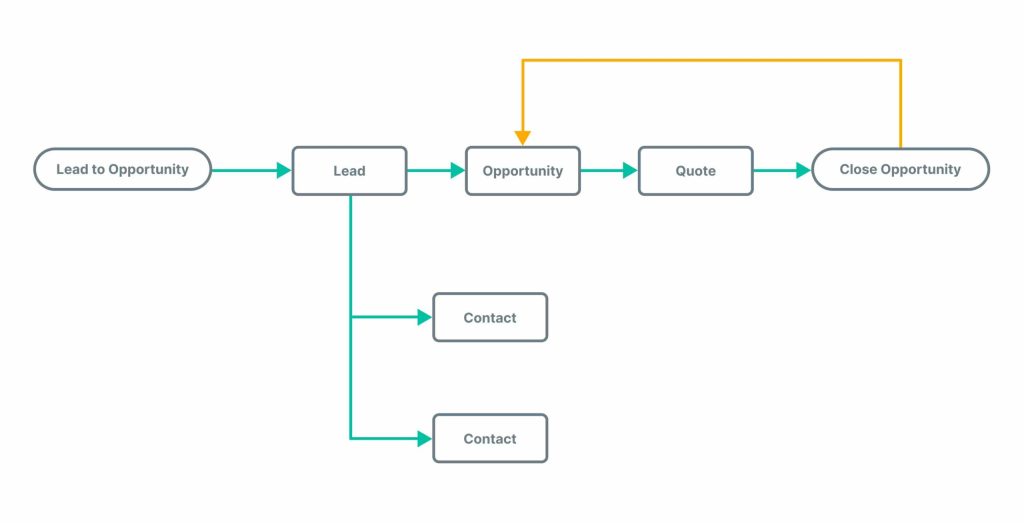
Steps to Implement CRM Successfully
Step 1 Define Your Goals
Before choosing CRM software, identify your objectives.
Examples:
- Improve sales tracking
- Enhance customer service
- Automate marketing
Step 2 Choose the Right CRM Platform
Select CRM software that fits your business needs.
Step 3 Train Your Employees
Employee training is essential for CRM success.
Step 4 Migrate Customer Data
Transfer customer information from old systems to the new CRM.
CRM Implementation Process Table
| Step | Description |
|---|---|
| Planning | Define goals and requirements |
| Selection | Choose CRM platform |
| Data Migration | Transfer existing customer data |
| Training | Educate employees |
| Optimization | Improve workflows |
Common CRM Implementation Mistakes
Businesses should avoid these mistakes:
- Choosing overly complex CRM systems
- Lack of employee training
- Poor data migration
- Ignoring customer feedback
Avoiding these issues ensures a successful CRM adoption.
Conclusion
CRM implementation requires careful planning, proper training, and continuous improvement. Businesses that follow a structured implementation process can unlock the full potential of CRM technology.